

Introduction
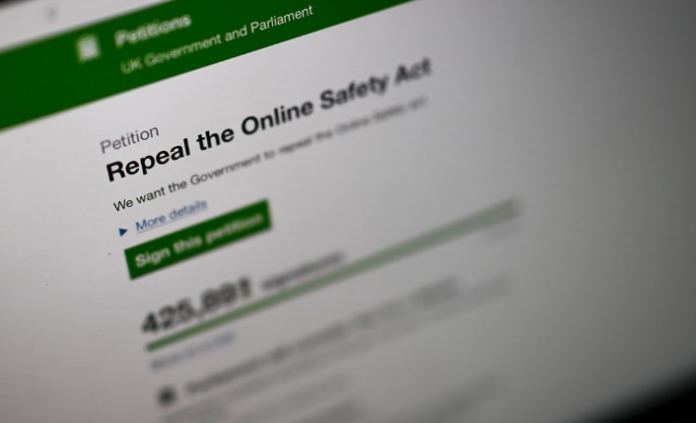
The internet has become the center of modern life. People use it for work, education, banking, shopping, entertainment, and communication. Because of this growing dependence, governments across the world have introduced new laws designed to regulate digital platforms and make online spaces safer. These laws often focus on harmful content, cyberbullying, scams, child protection, and illegal activities. While many people welcome stronger protections, others believe some rules go too far and threaten freedom of expression, privacy, and innovation. This is why the phrase repeal online safety act has become increasingly popular in political discussions and public debate.
Supporters of repeal often argue that broad internet regulations give too much power to governments or private platforms. They worry that laws written in vague language can be used to silence criticism or remove lawful content. On the other side, defenders of these laws believe that without stronger legal pressure, many technology companies will fail to act responsibly. They point to rising scams, harassment, exploitation, and harmful material as proof that regulation is necessary.
The truth lies somewhere in the middle. Safety matters, but so do rights. Effective policy must protect vulnerable users while preserving open communication and innovation. This article explores why people want to repeal online safety act, what opponents say, the likely consequences, and what a better path forward may look like.
Understanding the Purpose of Online Safety Laws

Online safety laws are usually created to make digital spaces more secure and accountable. Governments have faced years of criticism that large technology companies became too powerful while doing too little to prevent harm. As a result, lawmakers introduced measures requiring platforms to remove illegal content, respond to complaints faster, improve child safety, and become more transparent.
The goals often sound reasonable. Most citizens agree that exploitation, terrorism content, fraud, and serious abuse should not spread freely online. Problems begin when regulations extend beyond illegal material and into categories such as “harmful” or “offensive” speech. Those words can be subjective and politically sensitive.
This uncertainty has led many campaigners to call for repeal online safety act measures they believe are overly broad. Their argument is not always against safety itself. Often, it is against unclear rules that can be misused.
Why Calls for Repeal Are Increasing
Public pressure for repeal has grown because many people feel that some online regulations were rushed or poorly designed. As laws begin affecting everyday users, concerns become more visible.
Some internet users report that legitimate content has been removed unfairly. Small businesses worry about rising compliance costs. Journalists fear that reporting on sensitive topics could trigger automated moderation systems. Privacy advocates are concerned about identity checks and increased surveillance.
As these concerns spread, more citizens start asking whether reform is enough or whether governments should repeal online safety act provisions entirely and start over with better legislation.
The rise of this debate shows that digital regulation is no longer a niche legal issue. It now affects ordinary people directly.
Freedom of Speech Concerns
One of the biggest reasons critics oppose strict online safety laws is freedom of speech. Democratic societies depend on open discussion, criticism of leaders, satire, journalism, and public debate. If platforms remove lawful speech simply to avoid fines or legal trouble, the public conversation becomes narrower.
For example, a company facing penalties may decide it is safer to remove controversial posts immediately rather than review them carefully. This can lead to over-censorship, where harmless or valuable content disappears along with genuinely harmful material.
Critics argue that once speech restrictions become normal online, the damage can spread into politics, culture, and research. That is why many civil liberties groups support campaigns to repeal online safety act proposals they believe undermine free expression.
Supporters of regulation respond that free speech has never included fraud, threats, or criminal abuse. They believe sensible limits are necessary. The challenge is defining those limits precisely.
Privacy and Surveillance Fears
Another major concern is privacy. Some safety laws encourage or require stronger age checks, identity verification systems, content scanning, or data collection tools. While these measures may aim to protect users, they can also create risks.
If users must submit personal information to access websites or services, sensitive data may be exposed through leaks, hacking, or misuse. If private messages are scanned automatically, trust in digital communication may decline.
Privacy campaigners often argue that safety should not come at the cost of mass monitoring. They say citizens should not be treated as suspects simply because they use the internet.
Because of these worries, some activists demand governments repeal online safety act rules that expand surveillance powers or pressure companies into intrusive data practices.
Impact on Small Businesses and Startups
Large technology companies usually have legal teams, moderation departments, compliance officers, and advanced technical systems. They can often adapt to complex regulation more easily than smaller competitors.
For startups, niche communities, and independent platforms, the situation is different. New laws may require expensive reporting systems, audits, moderation processes, or technical infrastructure. These costs can slow innovation or force small businesses to shut down.
Ironically, regulation designed to control large firms may strengthen them by making market entry harder for newcomers. That reduces competition and consumer choice.
Many entrepreneurs therefore support efforts to repeal online safety act frameworks that impose the same burdens on small services as on global corporations.
Why Others Strongly Defend Online Safety Laws

Although critics are vocal, many people strongly support online safety regulation. Their reasons are serious and understandable.
Parents worry about children being exposed to exploitation, predatory contact, addictive design systems, and dangerous content. Consumers are tired of scam advertisements and impersonation fraud. Victims of harassment want faster action when they report abuse. Law enforcement agencies want better cooperation from platforms dealing with illegal networks.
Supporters argue that voluntary action from tech companies was not enough. In their view, legal obligations are necessary because profit incentives alone do not protect users.
They often reject demands to repeal online safety act, claiming that repeal would weaken accountability and return power to companies that previously failed to act responsibly.
The Child Safety Argument
Few issues carry more emotional weight than child protection. Many governments justify strict online laws by saying children face growing digital risks.
These risks may include:
- Grooming attempts
- Exposure to explicit material
- Cyberbullying
- Harmful challenges
- Addictive engagement systems
- Manipulative advertising
Supporters of regulation argue that platforms should design products with children’s safety in mind from the start. They believe companies that profit from user attention must take stronger responsibility.
Critics respond that child safety is important but should be addressed through targeted rules, education, parental tools, and better enforcement against criminals rather than broad speech restrictions.
This remains one of the most difficult parts of the debate.
Scams, Fraud, and Consumer Harm
Online fraud has become a global problem. Fake investment schemes, phishing attacks, impersonation messages, romance scams, and deceptive advertisements cost victims enormous sums every year.
Many users ask why platforms hosting fraudulent ads or accounts face little responsibility. Governments increasingly respond by creating duties for platforms to detect and remove scams faster.
Those who oppose repeal say removing safety laws may weaken anti-fraud protections. Critics of the laws respond that fraud can be tackled through focused consumer protection measures without broad censorship powers.
This tension explains why repeal online safety act campaigns often succeed on speech issues but face resistance on fraud concerns.
The Problem of Vague Language
Poor drafting is one of the biggest causes of controversy. Laws sometimes use terms like harmful, dangerous, misleading, offensive, or psychologically risky without clear definitions.
That creates several problems:
- Platforms may over-remove content.
- Users may not know what rules they broke.
- Enforcement becomes inconsistent.
- Political bias accusations increase.
- Courts face endless disputes.
A well-designed law should clearly define prohibited behavior. Ambiguity can damage both safety and freedom.
Many experts who dislike total repeal still agree that lawmakers should rewrite unclear sections instead of defending weak language.
Could Repeal Create New Risks?
Calls to repeal online safety act may sound simple, but repeal alone can create problems if no replacement exists.
Without updated rules:
- Harmful illegal material may stay online longer.
- Scam networks may face less pressure.
- Victims may have fewer complaint options.
- Platforms may disclose less information publicly.
- Children may receive weaker default protections.
That is why some reformers prefer targeted amendments rather than immediate removal. They believe outdated or flawed systems should be improved, not abandoned without a plan.
Reform as a Middle Ground
In politics, compromise often proves more realistic than extremes. Rather than full repeal or full defense of every rule, many policymakers prefer reform.
Possible reforms include:
- Clearer definitions of illegal content
- Strong user appeals processes
- Transparency reports from platforms
- Independent oversight bodies
- Privacy-preserving age assurance
- Different obligations based on company size
- Stronger anti-scam enforcement
This approach accepts that online harms are real while recognizing that rights need protection too.
For many observers, reform is more achievable than a complete repeal online safety act campaign.
Comparison Table: Three Possible Paths
| Option | Main Benefit | Main Risk | Likely Outcome |
|---|---|---|---|
| Repeal Entire Law | Restores flexibility | Safety gaps emerge | Political conflict |
| Reform Current Law | Balanced solution | Slow negotiations | Most practical path |
| Keep Current System | Stability now | Ongoing criticism | Future legal challenges |
How Journalists and Researchers Are Affected

Journalists sometimes report on terrorism, war crimes, exploitation networks, or extremist propaganda for public interest reasons. Automated moderation systems may fail to understand context and remove such material.
Researchers studying harmful trends also need access to data. If platforms become secretive while trying to reduce liability, independent scrutiny may suffer.
This means badly designed laws can unintentionally harm the people helping society understand online risks.
Because of that, many academics support smarter reform rather than simplistic censorship or total deregulation.
Global Effects of National Laws
A law passed in one country can influence the entire internet. Global companies often change systems internationally rather than maintaining different versions for every market.
That means rules created locally may affect users worldwide through:
- New moderation systems
- Verification requirements
- Product redesigns
- Advertising restrictions
- Appeal processes
This is another reason debates around repeal online safety act matter far beyond one nation.
What Ordinary Users Really Want
Most citizens are not ideological activists. They usually want practical results.
They want:
- Less fraud
- Less harassment
- Better child safety
- More privacy
- Fair moderation
- Free discussion
- Clear complaint systems
These goals are compatible if laws are written intelligently. The public often rejects false choices between safety and freedom.
FAQs
What does repeal online safety act mean?
It generally means removing an online safety law because critics believe it is too broad, ineffective, or harmful to rights.
Why do some people support repeal?
Common reasons include free speech concerns, privacy risks, vague definitions, and high compliance costs.
Why do others oppose repeal?
They worry repeal could weaken protections against scams, abuse, illegal content, and child exploitation.
Is reform better than repeal?
In many cases, reform is seen as a more balanced and practical solution.
Can safety and freedom exist together?
Yes. Clear laws, due process, transparency, and targeted enforcement can protect both.
Conclusion
The debate over whether to repeal online safety act rules is really a debate about the future of digital society. People want safer online spaces, but they also want freedom, privacy, fairness, and innovation. When laws are too weak, harms spread. When laws are too broad, rights suffer.
That is why the best answer is rarely found at the extremes. Full repeal may satisfy critics but leave serious gaps. Blind defense of flawed regulation ignores legitimate public concerns. The stronger path is evidence-based reform that protects children, fights fraud, preserves speech, and limits unnecessary surveillance.
As internet regulation continues to evolve, citizens should stay informed, question simplistic slogans, and demand smarter laws. The future of online freedom and safety depends on getting that balance right.
Read More:-2025 UK Graduate Route Visa Rules Every Student Must Know Now