

Introduction
In today’s world, safety is a top concern. When someone threatens, harasses, or abuses you, legal protection becomes essential. A restraining order lawyer helps victims secure legal safeguards to prevent further harm. Whether the threats are physical, emotional, or online, professional legal guidance ensures that your rights are protected and the law is enforced effectively.
This article explores the role of a restraining order lawyer, the types of restraining orders, the legal process, and the benefits of hiring a professional to navigate these sensitive cases.
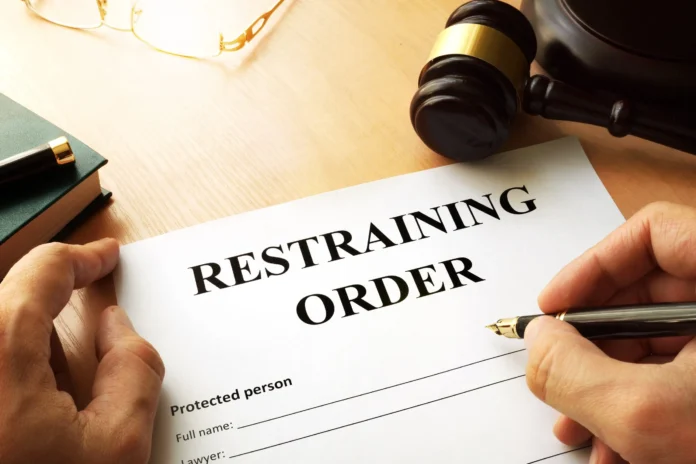
Restraining Orders

A restraining order is a court-issued legal order that prevents someone from contacting or approaching you. It can be temporary or long-term, depending on the situation.
What Is a Restraining Order?
A restraining order is a legal document that provides protection to individuals who are experiencing harassment, threats, or abuse. It may require the offender to:
-
Stay a certain distance away
-
Cease all forms of communication
-
Leave shared residences
-
Comply with other court-mandated rules
Why Restraining Orders Are Necessary
Restraining orders are crucial for:
-
Protecting victims from continued harassment
-
Establishing clear legal boundaries
-
Allowing law enforcement to act if violations occur
-
Providing peace of mind for vulnerable individuals
How a Restraining Order Lawyer Can Help
A restraining order lawyer ensures that the legal process is handled efficiently. They guide victims in filing petitions, gathering evidence, representing them in court, and enforcing the order. Without proper legal guidance, restraining orders may be delayed, denied, or improperly executed.
Role of a Restraining Order Lawyer

A restraining order lawyer acts as a legal advocate for individuals seeking protection. Their role includes handling legal documentation, advising on rights, and representing clients in court.
Filing a Restraining Order on Your Behalf
The lawyer assists in preparing and submitting all necessary paperwork, including the petition for a restraining order. Properly filed documents increase the likelihood of court approval.
Representing You in Court Hearings
Court hearings can be stressful, especially in cases involving threats or harassment. A restraining order lawyer provides representation, argues your case, and ensures that your rights are fully protected.
Advising on Legal Rights and Obligations
Victims may not be aware of their full legal rights. A lawyer explains the scope of the restraining order, how it is enforced, and what the offender is legally prohibited from doing.
Ensuring Proper Enforcement of the Order
A restraining order is only effective if properly enforced. The lawyer communicates with law enforcement and the court to ensure compliance, reporting violations when necessary.
Types of Restraining Orders
Restraining orders can vary depending on the circumstances and severity of the situation.
Domestic Violence Restraining Orders
Issued when the offender is a spouse, partner, or family member and poses a threat to safety.
Civil Harassment Restraining Orders
Designed for cases involving neighbors, co-workers, or strangers who engage in harassment or threats.
Workplace or Employer-Based Restraining Orders
Used to prevent harassment or threats in the workplace environment.
Emergency or Temporary Restraining Orders
Short-term orders issued quickly to protect victims until a full hearing can occur.
How a Restraining Order Lawyer Protects You

Hiring a professional lawyer provides multiple layers of protection.
Safeguarding Against Threats and Harassment
A lawyer ensures that legal protections are in place so offenders cannot legally contact or approach the victim.
Helping with Evidence Collection
A restraining order lawyer advises clients on gathering proof, such as text messages, emails, witness statements, and police reports.
Communicating with Law Enforcement
Lawyers coordinate with police to ensure that the order is respected and any violations are addressed promptly.
Reducing Legal Risks and Complications
Incorrect filings or incomplete documentation can lead to delays or denials. A lawyer prevents these mistakes, ensuring a smoother legal process.
Steps to Obtain a Restraining Order
The process of obtaining a restraining order is structured and must follow legal protocols.
Initial Consultation With a Lawyer
The first step is meeting with a restraining order lawyer to discuss the threats, harassment, or abuse and determine the best legal course of action.
Gathering Evidence of Harassment or Threats
Collecting proof strengthens the petition, including:
-
Texts, emails, or social media messages
-
Witness testimonies
-
Police reports or prior complaints
Filing the Petition in Court
The lawyer files the petition on your behalf, outlining the reasons protection is necessary.
Court Hearing and Legal Representation
During the hearing, the lawyer presents evidence and advocates for your protection.
Enforcement and Follow-Up
Once approved, the lawyer ensures that the restraining order is properly enforced and assists with any violations.
Common Misconceptions About Restraining Orders

Misunderstandings about restraining orders can discourage victims from seeking help.
Restraining Orders Are Only for Physical Abuse
Restraining orders cover emotional abuse, harassment, threats, stalking, and cyber harassment as well.
They Are Difficult to Obtain
With the guidance of a restraining order lawyer, the process is straightforward and efficient.
A Lawyer Is Not Necessary
While some petitions can be filed without legal help, a lawyer significantly improves the chances of approval and ensures proper enforcement.
Choosing the Right Restraining Order Lawyer
Selecting an experienced lawyer is essential for effective legal protection.
Checking Experience in Family or Civil Law
Choose a lawyer who specializes in restraining orders, harassment cases, or domestic violence law.
Understanding Legal Fees and Costs
Clarify the fee structure upfront, including consultation, filing, and representation fees.
Assessing Communication and Support
A good lawyer provides clear guidance, listens to concerns, and keeps clients informed throughout the process.
Table: Restraining Order Types and Uses
| Type of Restraining Order | When It’s Used | Role of Lawyer |
|---|---|---|
| Domestic Violence | Spouses or family members | Draft petition, represent in court |
| Civil Harassment | Neighbors, strangers | File and enforce the order |
| Workplace | Co-workers or employers | Ensure workplace safety |
| Emergency/Temporary | Immediate threats | Fast legal protection and court filing |
What Does a Restraining Order Lawyer Do?
A restraining order lawyer helps victims of harassment, abuse, or threats by filing petitions, representing them in court, ensuring proper enforcement, and protecting their legal rights.
Benefits of Hiring a Restraining Order Lawyer

Faster and Proper Filing of Orders
Lawyers know the legal procedures and help avoid delays.
Stronger Legal Protection
Legal expertise ensures that the restraining order is enforceable and comprehensive.
Peace of Mind for Victims
Victims can focus on safety and recovery while the lawyer handles legal matters.
Professional Guidance Through Legal Procedures
Lawyers provide step-by-step guidance and prevent common mistakes that can jeopardize protection.
Conclusion
A restraining order lawyer is vital for anyone facing harassment, threats, or abuse. They provide legal guidance, ensure that orders are properly filed and enforced, and help victims feel safe.
By hiring a lawyer, individuals can secure effective protection, reduce stress, and focus on personal safety. Legal expertise ensures that restraining orders serve their purpose and that rights are protected.
If you are experiencing threats or harassment, consulting a restraining order lawyer immediately can make all the difference in maintaining safety and peace of mind.
Read More:-Spousal Support Lawyer: Fair Alimony and Financial Security