

Immigration is a term that is frequently discussed in politics, economics, education, and social development. People move from one country to another for many reasons, including employment opportunities, education, family reunification, safety, and a better quality of life. Understanding the concept of immigration is important because it affects individuals, families, communities, and entire nations.
In simple terms, immigration refers to the process of people entering and settling in a country that is not their country of birth. Throughout history, migration and immigration have shaped civilizations, cultures, and economies. Countries around the world have experienced varying levels of immigration, leading to cultural diversity and economic growth.
Today, governments create laws and policies to regulate immigration and ensure that newcomers can contribute positively to society. While immigration offers many benefits, it also presents challenges that require thoughtful planning and management. This article explores the meaning of immigration, its types, causes, benefits, challenges, and overall impact on society.
What Is Immigration Meaning?
The word immigration refers to the act of moving permanently or temporarily from one country to another with the intention of living there. A person who moves into a foreign country is known as an immigrant.
Immigration usually involves crossing international borders and complying with the laws and regulations of the destination country. People may immigrate for personal, professional, educational, or humanitarian reasons. Governments often establish immigration systems to manage the entry and residency of foreign nationals.
The concept of immigration differs from emigration. While immigration refers to entering a country, emigration refers to leaving one’s home country to settle elsewhere. Together, these movements contribute to global population changes and cultural exchange.
Immigration has become increasingly important in the modern world because globalization has made international travel and communication easier. As economies become interconnected, many countries rely on immigration to fill labor shortages, support innovation, and maintain population growth.
Historical Background of Immigration
Human movement has existed since ancient times. Early civilizations expanded through migration, trade, exploration, and conquest. Throughout history, people relocated in search of food, land, safety, and economic opportunities.
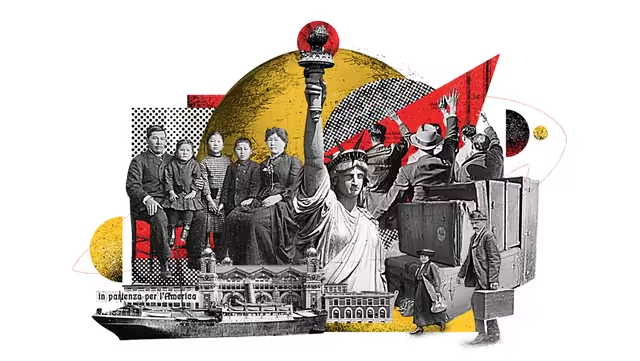
During the nineteenth and twentieth centuries, millions of people migrated from Europe to North America, Australia, and other regions. Industrialization created new job opportunities that attracted workers from different parts of the world.
Major historical events such as wars, political conflicts, natural disasters, and economic crises also influenced immigration patterns. Refugees and displaced populations often sought safety in neighboring countries or distant regions.
Today, immigration continues to shape societies worldwide. Modern transportation systems and digital communication have made it easier for individuals to relocate internationally while maintaining connections with their home countries.
Types of Immigration
Immigration can be categorized into several types depending on the purpose of migration.
| Type of Immigration | Description |
|---|---|
| Family Immigration | Joining family members living abroad |
| Employment Immigration | Moving for work opportunities |
| Educational Immigration | Relocating to study in another country |
| Refugee Immigration | Seeking protection from persecution or conflict |
| Investment Immigration | Moving through business or investment programs |
| Permanent Immigration | Settling indefinitely in a new country |
Each type serves a unique purpose and is governed by specific regulations established by the destination country.
Why Do People Immigrate?
People decide to immigrate for various reasons. Some factors encourage movement away from the home country, while others attract individuals to a new destination.
Common reasons include:
- Better employment opportunities
- Higher wages and improved living standards
- Access to quality education
- Family reunification
- Political stability
- Religious freedom
- Safety from conflict and persecution
- Better healthcare services
- Business and investment opportunities
Many individuals believe immigration can provide a pathway to personal growth and long-term success. The decision often involves careful planning, financial preparation, and legal procedures.
Economic Impact of Immigration
Immigration plays a significant role in economic development. Immigrants contribute to labor markets, consumer spending, entrepreneurship, and innovation. Many countries depend on immigrant workers to fill shortages in sectors such as healthcare, agriculture, construction, and technology.
Businesses benefit from access to diverse talent and skills. Immigrant entrepreneurs frequently establish companies that create jobs and stimulate economic growth. In addition, immigrants pay taxes and contribute to public services through their economic activities.
However, debates about immigration often focus on labor competition and public spending. Some people worry that increased immigration may affect wages or strain public resources. Economic research generally shows that well-managed immigration contributes positively to long-term economic performance.
Governments often balance economic needs with social and political considerations when designing immigration policies. Successful integration programs can maximize the benefits of immigration for both newcomers and host communities.
Social and Cultural Effects of Immigration
One of the most visible outcomes of immigration is cultural diversity. Immigrants bring languages, traditions, customs, cuisines, and perspectives that enrich the societies they join.

Cultural exchange encourages creativity, innovation, and mutual understanding. Diverse communities often become centers of cultural activity, attracting tourism and business investment.
Socially, immigration can promote greater global awareness and tolerance. Schools, workplaces, and neighborhoods benefit from exposure to different cultures and experiences.
At the same time, integration can present challenges. Language barriers, cultural differences, and social misunderstandings may create obstacles for newcomers. Effective community programs and inclusive policies help immigrants adapt while preserving their cultural identities.
Overall, immigration contributes to the development of multicultural societies that reflect a wide range of human experiences and traditions.
Immigration Laws and Regulations
Every country has laws governing who can enter, stay, work, and become a citizen. Immigration regulations are designed to maintain national security, manage population growth, and support economic objectives.
Common immigration requirements include:
- Valid passports
- Visa applications
- Health examinations
- Financial documentation
- Background checks
- Employment verification
- Educational credentials
Governments regularly update immigration policies to respond to changing economic, social, and security conditions. Applicants must carefully follow legal procedures to ensure compliance with immigration rules.
Failure to meet immigration requirements can result in visa denial, deportation, or legal penalties. Therefore, understanding immigration laws is essential for anyone planning to relocate internationally.
Challenges Faced by Immigrants
Moving to a new country can be exciting, but it also comes with challenges. Many immigrants encounter difficulties during the adjustment process.
Language Barriers
Learning a new language is often one of the biggest challenges. Limited language skills can affect employment, education, and social interactions.
Employment Difficulties
Professional qualifications obtained in one country may not always be recognized elsewhere. Some immigrants struggle to find jobs matching their experience and skills.
Cultural Adaptation
Adjusting to unfamiliar customs, traditions, and social norms can take time. Cultural differences may lead to misunderstandings and feelings of isolation.
Financial Pressures
Relocation expenses, housing costs, and legal fees can create financial stress, especially during the initial settlement period.
Emotional Challenges
Being separated from family, friends, and familiar surroundings may lead to homesickness and emotional difficulties.
Support services, language classes, and community organizations can help immigrants overcome these challenges and integrate successfully.
Benefits of Immigration for Host Countries
Immigration provides numerous advantages for destination countries.
Some key benefits include:
- Increased workforce participation
- Economic growth and productivity
- Innovation and entrepreneurship
- Cultural diversity
- Population growth
- Enhanced international connections
- Expanded consumer markets
Many developed countries face aging populations and declining birth rates. Immigration helps address workforce shortages and supports economic sustainability.
The contributions of immigrants can be seen in various industries, educational institutions, research centers, and cultural organizations worldwide.
Benefits of Immigration for Immigrants
Immigration can create life-changing opportunities for individuals and families.
| Benefit | Explanation |
|---|---|
| Better Employment | Access to higher-paying jobs |
| Quality Education | Improved educational opportunities |
| Healthcare Access | Better medical facilities and services |
| Safety and Security | Protection from conflict or instability |
| Career Growth | Professional advancement opportunities |
| Improved Living Standards | Higher quality of life |
These benefits motivate millions of people to pursue immigration opportunities every year.
The Future of Immigration
The future of immigration will likely be influenced by economic trends, technological advancements, climate change, and demographic shifts. As globalization continues, countries may compete to attract skilled workers, entrepreneurs, and students.
Climate-related migration is expected to become more significant as environmental challenges affect communities around the world. Governments may need to develop new policies to address emerging migration patterns.
Technology will also transform immigration processes through digital applications, biometric identification, and online services. These innovations can improve efficiency and security while making immigration systems more accessible.
At the same time, countries will continue balancing economic benefits with concerns related to security, infrastructure, and social integration. Effective immigration management will remain an important priority for governments worldwide.
Conclusion
Immigration is the process of moving to another country for residence, employment, education, family reunification, or safety. Throughout history, immigration has played a major role in shaping societies, economies, and cultures across the globe. The concept of immigration involves more than simply crossing borders; it represents opportunities, challenges, and the pursuit of a better future.
Read more: What Is Patent?