


Introduction
The United Kingdom has long been one of the most attractive destinations for people seeking education, employment, business opportunities, or a better quality of life. From world-class universities and strong healthcare systems to a diverse economy and global career prospects, the UK continues to draw applicants from every part of the world. However, entering and staying in the country legally requires understanding a detailed and evolving immigration framework.
Many people search for immigration rules uk because they want clear answers before making major decisions. Whether you are planning to study in London, accept a skilled job in Manchester, reunite with family in Birmingham, or eventually become a British citizen, understanding the system is essential.
The UK immigration process can feel overwhelming at first. There are different visa routes, financial requirements, language standards, sponsorship rules, and deadlines. Policies also change regularly, meaning outdated information can lead to expensive mistakes.
This guide explains everything in a clear and conversational way. It is written for first-time applicants, families, students, workers, and anyone curious about how the system works in 2026. By the end, you will understand the major visa categories, common requirements, costs, mistakes to avoid, and the best strategies for long-term success.
What Are UK Immigration Rules?

The phrase immigration rules uk refers to the legal framework that determines who may enter, remain in, work in, study in, or settle in the United Kingdom. These rules are set by the government and updated whenever policy priorities shift.
They cover areas such as:
- Visitor permissions
- Work visas
- Student migration
- Family reunification
- Settlement rights
- Citizenship pathways
- Sponsorship systems
- Removal and overstaying consequences
The UK now uses a points-based structure for many immigration routes. This means that instead of relying only on nationality or discretionary decisions, applicants often need to meet measurable standards such as salary levels, qualifications, sponsorship status, and English language ability.
For example, a skilled worker may need an approved employer sponsor and a qualifying salary. A student must usually prove they have an offer from an approved institution and enough funds to support themselves.
Understanding these rules early can prevent refusals, delays, and unnecessary costs.
Why the UK Remains a Popular Destination
Despite stricter compliance measures in recent years, the UK remains highly desirable for migrants.
Strong Employment Opportunities
The British economy continues to need skilled professionals in sectors such as healthcare, engineering, finance, technology, education, and logistics. Employers often sponsor international workers when local shortages exist.
World-Class Education
The UK is home to globally respected universities and colleges. Degrees earned there are valued internationally, making the student route especially attractive.
Cultural Diversity
Large cities and growing regional centres offer multicultural communities where newcomers can integrate more comfortably.
Long-Term Settlement Options
Many people choose the UK because some visa routes can lead to permanent residence and eventually citizenship.
These benefits explain why so many applicants regularly research immigration rules uk before submitting applications.
The Main UK Visa Categories in 2026
The immigration system is divided into categories based on the applicant’s reason for coming.
Visitor Visas
Visitor visas are designed for short stays. These are commonly used for tourism, family visits, attending business meetings, or participating in certain short courses.
Visitors are usually expected to leave after the permitted stay ends. They are not generally allowed to take employment or access public funds.
Applicants may need to show:
- Sufficient money for the trip
- Plans to return home
- Accommodation details
- Genuine travel purpose
This route is useful for short-term travel but not for people intending to work or settle.
Work Visas
Work-based migration remains one of the largest categories. Many routes require sponsorship from a licensed UK employer.
Popular options include:
- Skilled Worker route
- Health and Care Worker route
- Global Talent route
- Temporary Worker routes
Each route has separate requirements. Salary thresholds, skill level, and sponsor eligibility are especially important.
Student Visas
International students continue to choose the UK because of its academic reputation. Applicants usually need an offer from an approved institution, proof of funds, and English language ability.
Family Visas
These routes help spouses, partners, children, and in limited cases dependent relatives join family members living in the UK.
Settlement Routes
After meeting residence requirements under qualifying categories, some migrants may apply for indefinite leave to remain.
Understanding Work Visas in Detail
For many people, employment is the most practical route into the UK.
Skilled Worker Route
This visa allows eligible workers to take approved jobs with sponsoring employers. Applicants generally need:
- A confirmed job offer
- Certificate of sponsorship
- Role meeting skill criteria
- Salary meeting threshold rules
- English language evidence
Different occupations may have different salary requirements. Healthcare, teaching, and engineering roles are commonly used pathways.
When people search immigration rules uk, salary thresholds are often one of their first concerns because they directly affect eligibility.
Health and Care Worker Route
Designed for healthcare professionals such as nurses, doctors, and care staff in qualifying roles, this route can provide reduced fees or faster processing in some situations.
Global Talent Route
For individuals with proven or emerging excellence in science, arts, engineering, or digital sectors. This route may not require a traditional employer sponsor.
Temporary Work Options
Short-term schemes may exist for seasonal workers, charity placements, creative sectors, or youth mobility arrangements.
Studying in the UK: What Students Need to Know
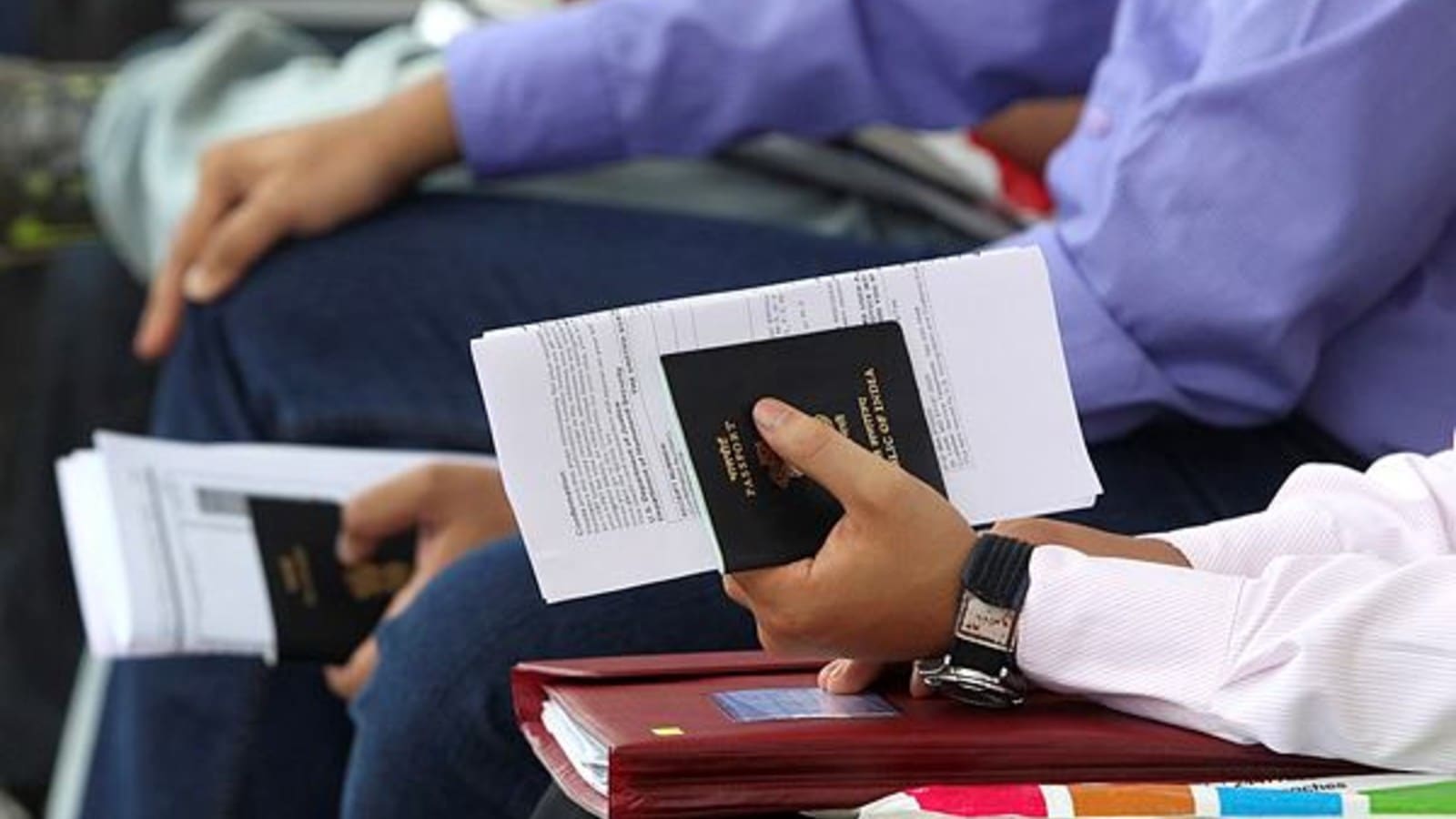
The UK remains one of the top destinations for higher education.
Admission First
Before applying for a student visa, you usually need an offer from an approved institution. Once accepted, the school issues a Confirmation of Acceptance for Studies (CAS).
Financial Proof
Applicants often need to show enough funds for tuition and living costs. These funds must typically be held correctly for a specified period.
English Language Standards
Many applicants must prove English ability through approved tests or recognized qualifications.
Working While Studying
Some students can work limited hours during academic terms and more during holidays, depending on visa conditions.
Post-Study Opportunities
Graduates may qualify for routes allowing them to remain temporarily and work after completing studies.
Because rules can shift, students frequently review immigration rules uk before choosing courses or planning finances.
Family Migration and Reuniting Loved Ones
Family migration is one of the most emotionally important parts of immigration law.
Spouse and Partner Visas
Applicants usually need to prove that the relationship is genuine and ongoing. Evidence can include:
- Marriage or civil partnership documents
- Shared finances
- Communication history
- Photos and travel records
There may also be minimum income requirements for the sponsoring partner.
Children
Dependent children may qualify if legal responsibility and care arrangements are clear.
Adult Dependents
These applications are often more difficult because applicants usually need to show substantial care needs.
Families often struggle with documentation standards, which is why researching immigration rules uk carefully is so important.
Settlement and Permanent Residence
Many migrants want more than a temporary visa. They want security and long-term residence.
Indefinite Leave to Remain (ILR)
ILR removes immigration time limits for many successful applicants. Requirements often include:
- Qualifying residence period
- Compliance with visa conditions
- Limited absences from the UK
- Good character standards
- Knowledge of life in the UK test
Why ILR Matters
Holding ILR can make employment easier, reduce visa renewal costs, and provide long-term certainty.
Citizenship After Settlement
Some individuals later apply for British citizenship once additional conditions are met.
Because timing is crucial, long-term residents regularly monitor immigration rules uk to avoid applying too early or missing eligibility windows.
Documents That Commonly Matter Most
Even eligible applicants can be refused if documents are weak or incomplete.
| Document | Purpose | Frequent Problem |
|---|---|---|
| Passport | Identity proof | Expired or damaged |
| Bank Statements | Financial evidence | Missing pages |
| CAS or Sponsor Letter | Route eligibility | Incorrect details |
| English Certificate | Language proof | Expired result |
| Marriage Certificate | Family route evidence | Missing translation |
| Payslips | Income evidence | Inconsistent amounts |
Strong documentation often makes the difference between approval and delay.
Why Applications Get Refused
Many refusals happen for preventable reasons.
Incorrect Visa Route
Applying under the wrong category is common. For example, someone planning employment should not attempt entry through a visitor route.
Missing Evidence
Applicants sometimes assume one bank statement or a partial document set is enough.
Inconsistent Information
Different dates, addresses, or employment details across documents can create doubt.
Failure to Meet Financial Rules
Some routes have strict evidence standards regarding maintenance funds or sponsor income.
Past Immigration Breaches
Overstays or previous refusals may affect future applications.
A careful reading of immigration rules uk helps applicants avoid these costly mistakes.
Overstaying and Compliance Risks
One of the biggest errors migrants make is ignoring visa expiry dates.
Possible Consequences
Overstaying can lead to:
- Future refusals
- Problems renting or working
- Removal action
- Re-entry difficulties
- Stress and legal uncertainty
Best Strategy
Track expiry dates months in advance. Start extensions or new route planning early.
Employer Responsibilities
Sponsored employers also face compliance duties. If they lose their licence, workers may face visa problems.
How Much Does Moving to the UK Cost?

Immigration is not only about eligibility. Budgeting matters.
Typical costs may include:
- Application fees
- Immigration Health Surcharge
- Biometric appointments
- Translation services
- Travel expenses
- Accommodation deposits
- Legal advice if needed
For families, these totals can become substantial. Good planning reduces stress and prevents rushed decisions.
Best Strategies for Success
Start Early
Last-minute applications often create panic and mistakes.
Stay Honest
Never hide previous refusals, criminal history, or overstays.
Keep Organized Records
Store digital and paper copies of everything submitted.
Think Long-Term
Choose a route that supports your future goals, especially if settlement matters.
Use Reliable Information
Official guidance and qualified advice are far safer than random social media claims.
Anyone who studies immigration rules uk using reliable sources is already in a stronger position than applicants who guess.
2026 Trends Applicants Should Watch
Immigration systems evolve often. Areas to monitor include:
- Salary threshold changes
- Student dependant policies
- Digital visa status systems
- Sponsorship enforcement
- Priority processing options
- Shortage occupation adjustments
Using outdated advice can cause serious problems, so always check recent updates.
Frequently Asked Questions
Can I move to the UK without a job offer?
Yes, some routes do not require a sponsor, such as certain talent or family categories. However, many work visas do need an employer offer.
How long does visa processing take?
It depends on category, country of application, and whether priority services are available.
Can students bring family members?
Some students may bring dependants depending on course type and current policy.
Is permanent residence automatic after five years?
No. You must normally apply and meet specific settlement rules.
Can I switch visas inside the UK?
Sometimes yes, but it depends on your current status and the route you want.
Should I hire an immigration adviser?
Straightforward cases may be self-managed, but complex histories often benefit from expert guidance.
Conclusion
The United Kingdom continues to offer outstanding opportunities for students, professionals, entrepreneurs, and families. But immigration success depends on preparation, patience, and choosing the correct route from the beginning.
The smartest applicants understand that visas are not just forms—they are legal processes built on evidence, timing, and compliance. Whether you want to study for a degree, accept a skilled role, reunite with a spouse, or build a permanent future, planning ahead makes everything easier.
Research carefully, organize documents early, monitor deadlines, and use trusted guidance whenever needed. If you take those steps, the path forward becomes clearer and more achievable.
Your next move should be simple: define your goal, match it to the right visa route, and begin preparing a strong application with confidence.
Read More:–Trusted Legal Experts for Serious Cases: Criminal Defence Help Now